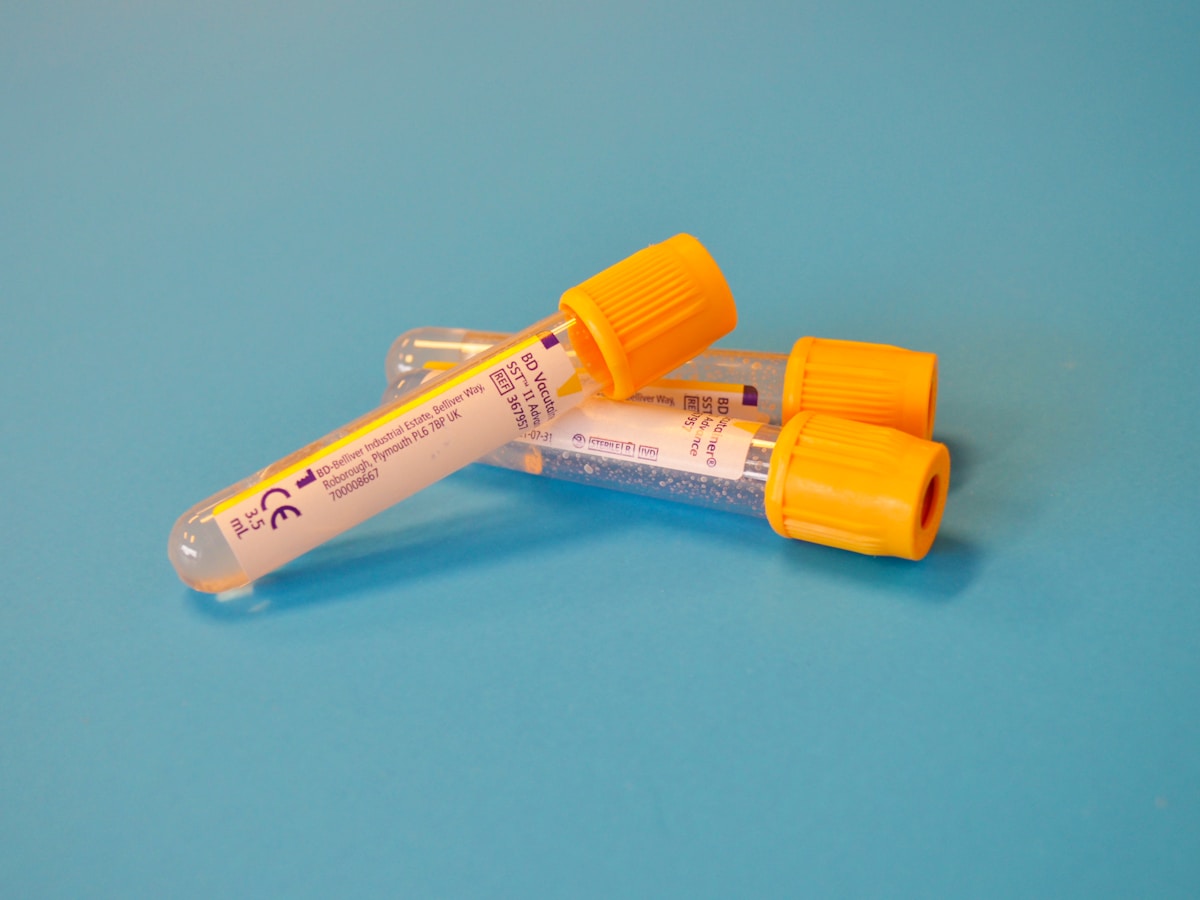
Quick comparison: the three D3/K2 picks
| Product | Best for | Key spec | Format | Rating | Price | |
|---|---|---|---|---|---|---|
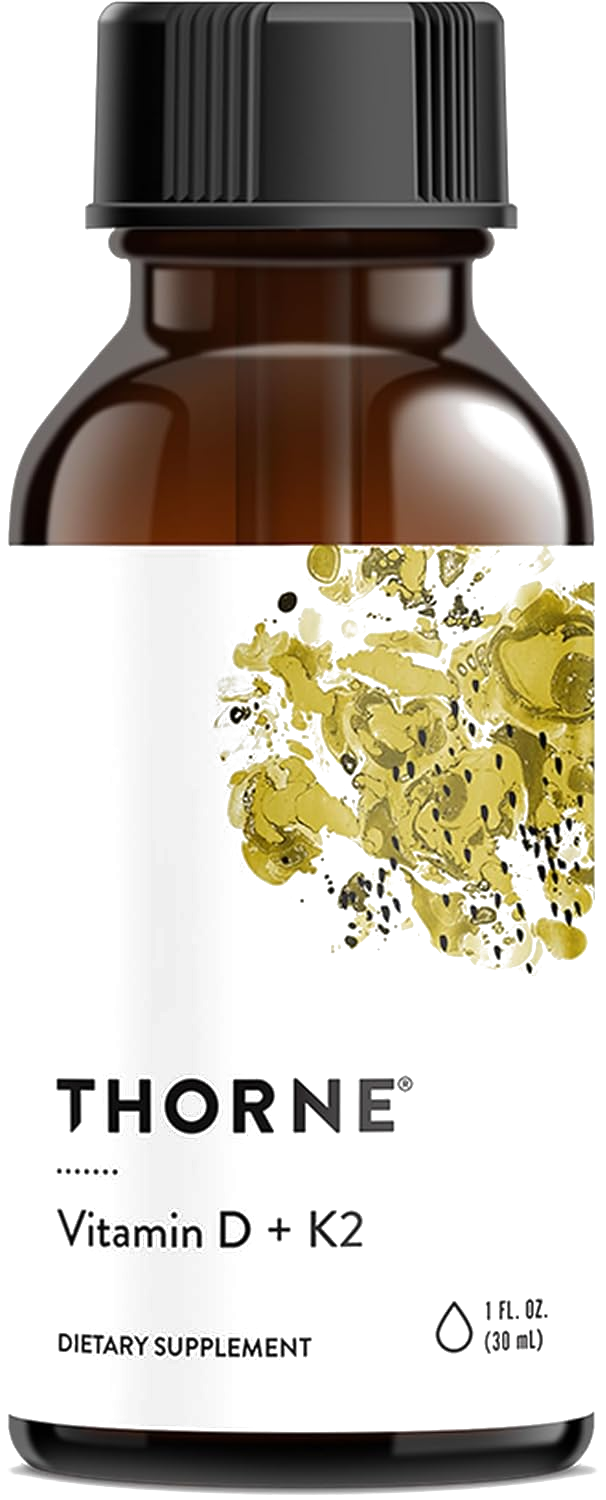 Thorne D3 + K2 Liquid Thorne D3 + K2 LiquidPraised for its clean, K2-paired liquid and precise dropper dosing; the main gripe is that the dropper runs slow. |
A clean, near-tasteless liquid | 500 IU D3 / drop · 100 mcg K2 / drop | Metered liquid | [TODO: 4.X★ · N reviews - as of May 2026] | $34.00 ≈ $0.06 / drop |
Check price → |
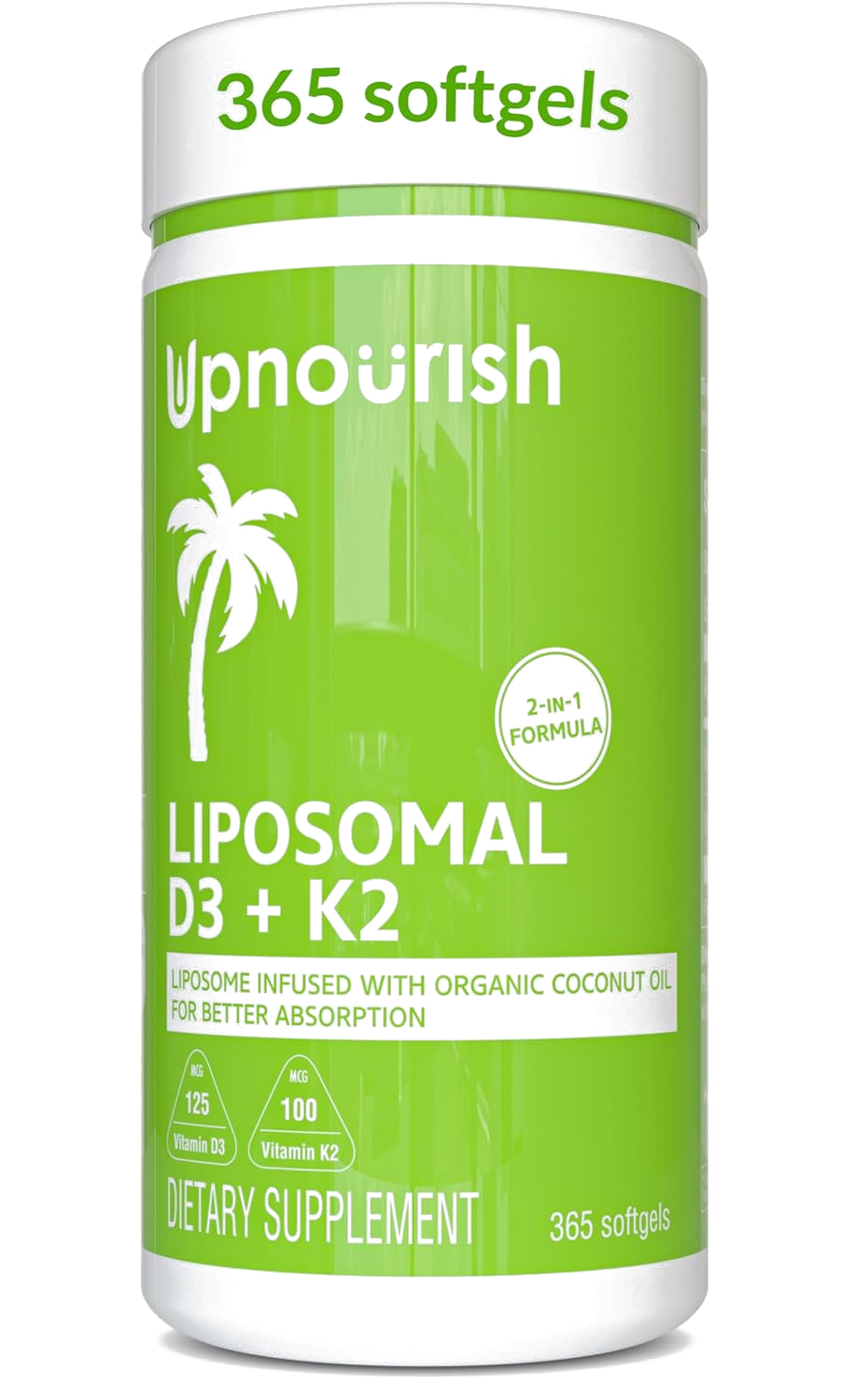 UpNourish Liposomal D3 K2 MK-7 UpNourish Liposomal D3 K2 MK-7A clean, US-made liposomal softgel pairing D3 + K2 in one easy-to-swallow capsule; strong value at 365 count, with a premium price as the main trade-off. |
Best value and capsule-preferrers - 365-count year supply | 5,000 IU D3 · 100 mcg K2 MK-7 | Liposomal mini softgel | [TODO: 4.X★ · N reviews - as of May 2026] | $21.99 ≈ $0.06 / day |
Check price → |
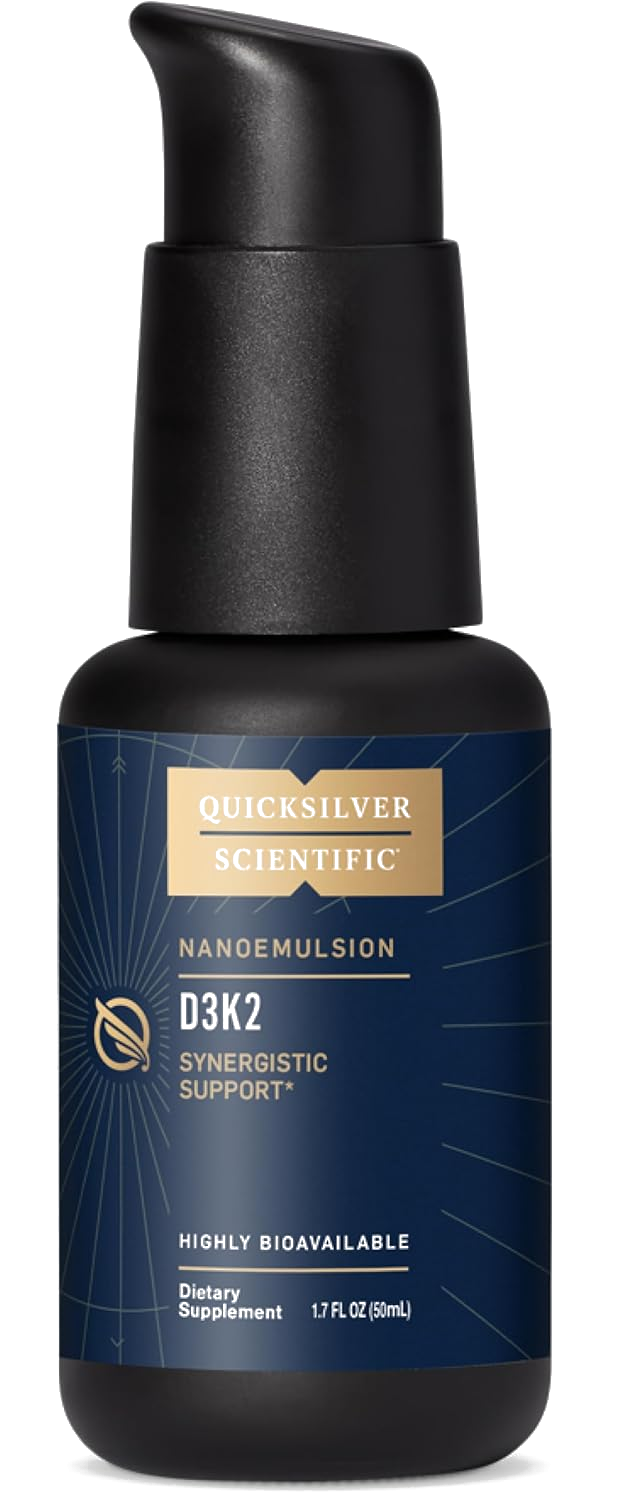 Quicksilver Nanoemulsified D3K2 Quicksilver Nanoemulsified D3K2A practitioner-recommended nanoemulsified liquid with fast sublingual absorption and zero sugar; the polarizing strong citrus flavor and premium price are the trade-offs. |
Fast, practitioner-grade sublingual absorption | 2,500 IU D3 / pump · 90 mcg K2 | Nanoemulsion pump | [TODO: 4.X★ · N reviews - as of May 2026] | $55.00 ≈ $0.55 / pump |
Check price → |
Retail labels talk in IU. Your clinician talks in 25-hydroxyvitamin D, usually reported as ng/mL in the United States. Until you have that lab value, every softgel-vs-liposome argument about softgels vs liposomes is guesswork. This page translates common bands into supplement actions and points you to tools that store retests over time.
How to order the right test
Ask for 25(OH)D, not 1,25-dihydroxyvitamin D alone. The latter is a calcitriol marker for specific renal cases, not your pantry status. Fasting is typically unnecessary. Draw before you change doses so you have a baseline.
Log results on NutrientGaps.com if you also track magnesium, K2-rich foods, or seasonal sun exposure. Correlating multiple inputs beats staring at a single lab number.
Common ng/mL bands and what they imply
- Below 20 ng/mL: Deficient by most US lab footnotes. Clinicians often approve supervised repletion (commonly 4,000-5,000 IU D3 daily for eight to twelve weeks, individual plans vary).
- 20-30 ng/mL: Insufficient for many athletes and older adults targeting 40-50 ng/mL. Consider raising IU and improving format.
- 30-50 ng/mL: Functional range for many wellness-oriented protocols. Maintain with 1,000-2,000 IU unless sun exposure rises.
- 50-60 ng/mL: Upper wellness band. Watch calcium, PTH, and clinician guidance.
- Above 80 ng/mL without oversight: Investigate oversupplementation or lab error before adding more IU.
Ranges differ by lab methodology. Always read the reference interval printed on your report.
Retest cadence that prevents overshoot
After starting or raising D3, retest at eight to twelve weeks. Serum 25(OH)D moves slowly. Six-week checks often mislead. Once stable in target, drop to annual checks or twice yearly if you titrate aggressively.
Pair retests with symptom notes from our low D signs guide so you are not optimizing a number while ignoring sleep or iron.
Match lab response to product format
If IU increased but ng/mL barely moved, suspect absorption before blaming "non-responders." Review liposomal vs softgel mechanics, then consider:
Thorne D3 + K2 Liquid when you need incremental IU changes between retests without buying new bottle strengths.
UpNourish Liposomal D3 K2 when labs justify 5,000 IU plus K2 in one daily gel and you want lowest yearly cost.
Quicksilver Nanoemulsified D3K2 when softgels failed despite fat timing and you need mucosal delivery.
VDR context without overfitting genetics
Slow VDR variants can mean wider IU spread for the same ng/mL target. Use our VDR table as background, not as a reason to megadose. Genetics adjust monitoring intensity; they do not replace labs.
Home test kits vs venous draws
Fingerstick 25(OH)D kits can track trends if validated, but lab reference ranges are built on venous methods. Use the same test type for before/after comparisons. Hydrate normally; extreme dehydration can skew some analytes.
When to stop and call your clinician
Hypercalcemia symptoms, kidney stone history, sarcoidosis, or primary hyperparathyroidism change the playbook. High D3 without supervision in those contexts is unsafe. This site educates; your clinician approves therapy.
Action checklist
- Baseline 25(OH)D before levels dip.
- Log on NutrientGaps alongside related nutrients.
- Pick IU and format from dosing guide.
- Include K2 per pairing article.
- Retest at eight to twelve weeks; compare to prior draw.
- Step down IU when sun returns or ng/mL exceeds goal.
Product COAs and ranking logic: Top Picks. Printable label traps: free cheatsheet.
Understanding lab units
US labs report 25(OH)D in ng/mL. Many Canadian and European reports use nmol/L. Multiply ng/mL by 2.5 to convert to nmol/L. Do not compare numbers across countries without converting.
PTH and calcium: when to add labs
If 25(OH)D stays low despite high IU, ask about parathyroid hormone and calcium. Secondary hyperparathyroidism can persist until D status rises. If D rises but calcium goes high, pause and regroup with your clinician.
Seasonal tapering in spring
As UV index climbs in April and May, step down supplemental IU unless you work nights or stay fully covered outdoors. Many readers halve dose in June, retest in September, then ramp again in October. NutrientGaps trend lines make that seasonal sine wave visible year over year.
Insurance and cash pricing
Some panels include 25(OH)D in annual wellness labs; others need a cash add-on. Either way, one fall baseline and one spring retest beat guessing for six months.
Documenting changes for your clinician
Export NutrientGaps trends or bring a one-page log: start date, IU, format, K2 mcg, magnesium intake, sun exposure notes, and both lab dates. Clinicians adjust faster with a timeline than with "I think I took 5,000 IU most days."
What to do when you overshoot the band
If spring labs land above your goal, taper IU for two weeks before stopping completely unless directed otherwise. Abrupt stops after high-dose daily stacks can drop serum levels faster than people expect. Pair taper with modest sun when UV index allows.
Comparing two products using only labs
Run one format for twelve weeks, retest, then switch only if needed. Changing both IU and format simultaneously confounds results. NutrientGaps notes which bottle was active for each draw so you do not confuse Quicksilver pumps with UpNourish capsules six months later.
FAQ on numbers
Is 30 ng/mL enough? For some adults yes; for others targeting 45 ng/mL, it is a stepping stone.
Does D2 vs D3 matter on labs? Labs measure both; D3 supplements raise levels more predictably in most US protocols.
Can I test weekly? Waste of money; eight to twelve weeks is the meaningful window.
After you hit target, bookmark symptom cues for next fall so you restart testing before another silent lab slide.